Miss Nikkey honors 20 notable figures for 20 years of Brazilians in Japan
In 2008, on the Miss Nikkey Centenário stage, educators, businesspeople, religious figures, a diplomat and a reporter received the Citizenship and Honor to Merit Trophy.
Published
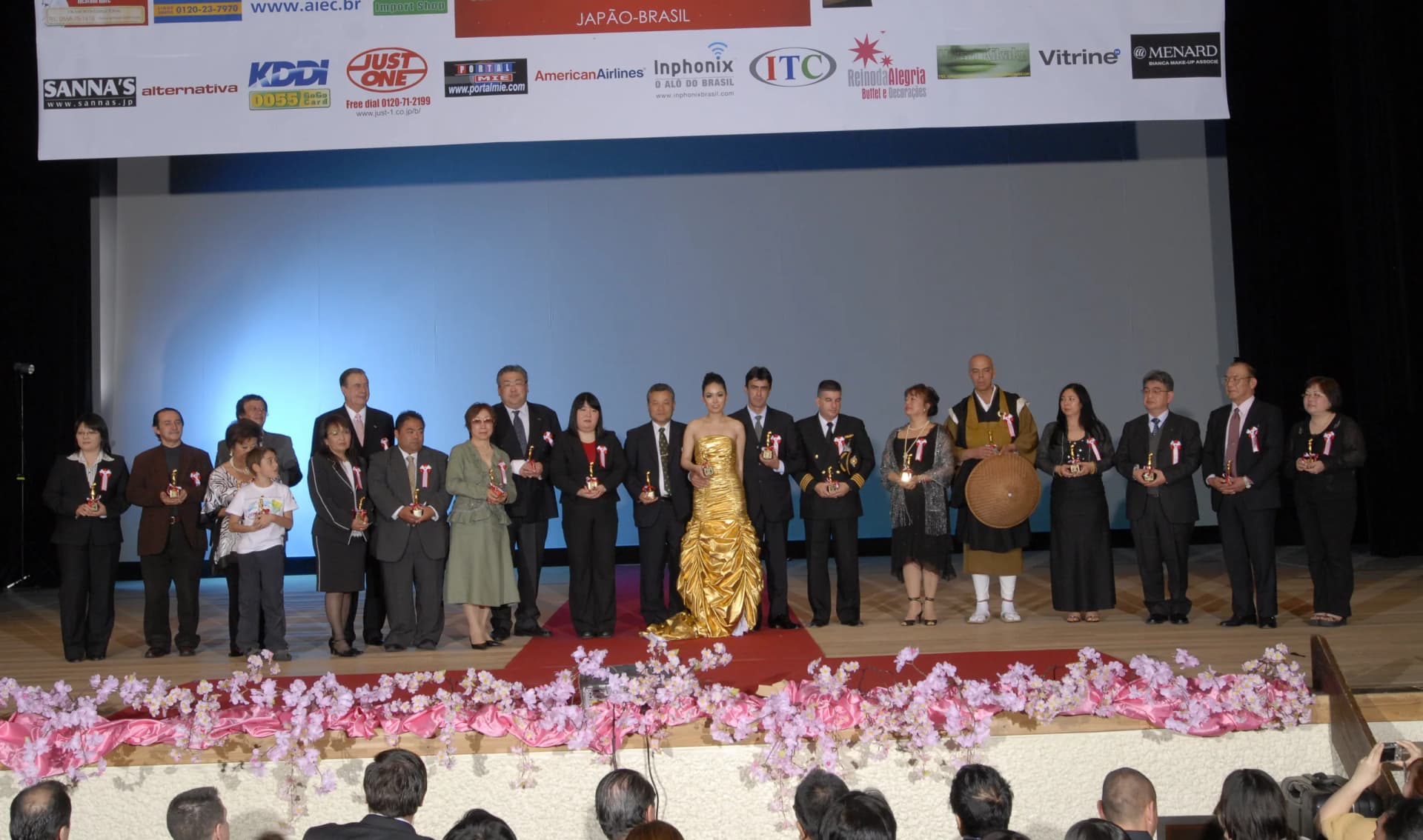
In 2008, the year of the Centennial of Japanese Immigration to Brazil, Miss Nikkey Japan also marked 20 years of Brazilian presence in Japan. On the event’s stage, the organizers honored 20 notable figures, Brazilian and Japanese, from different fields.
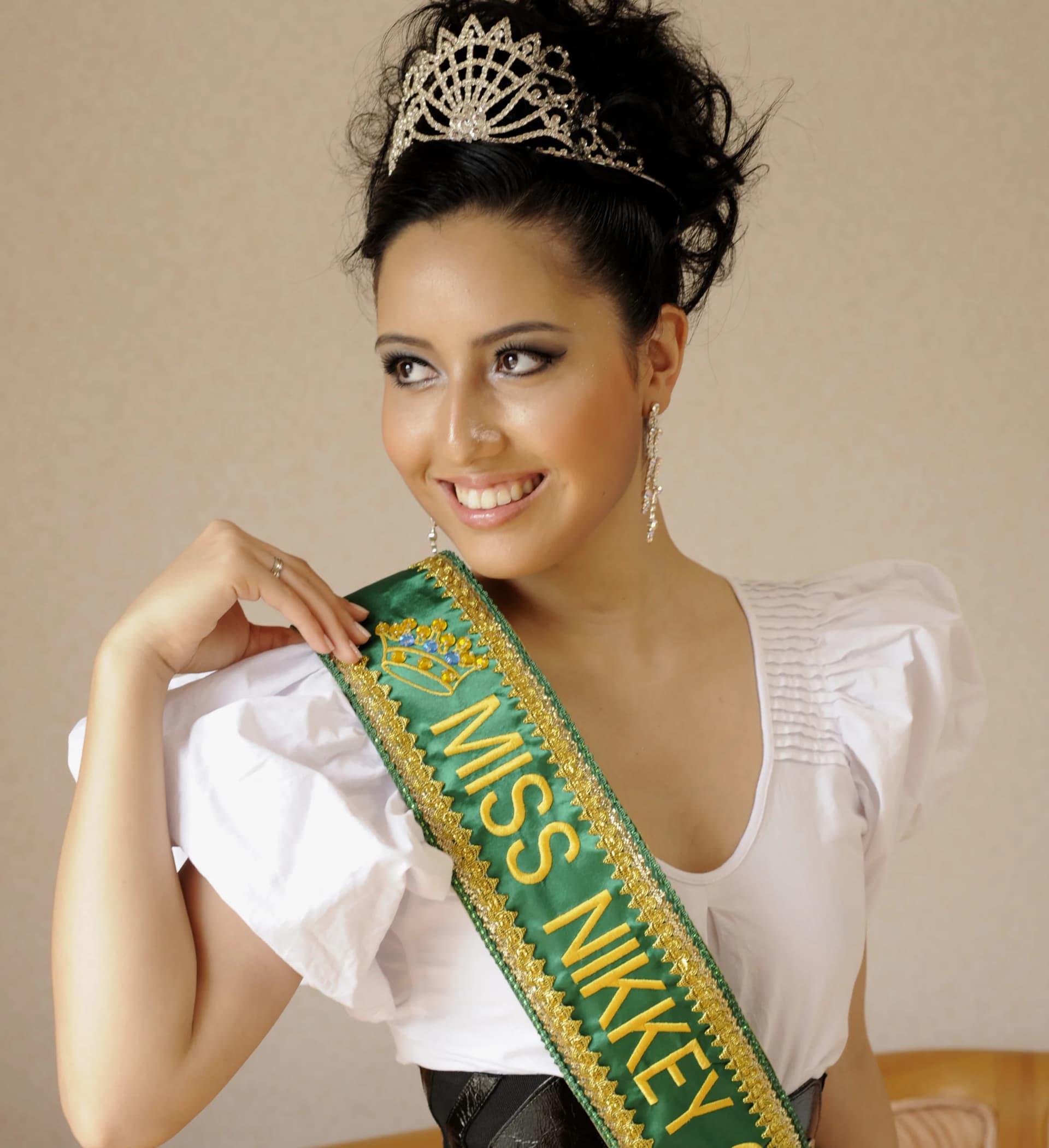
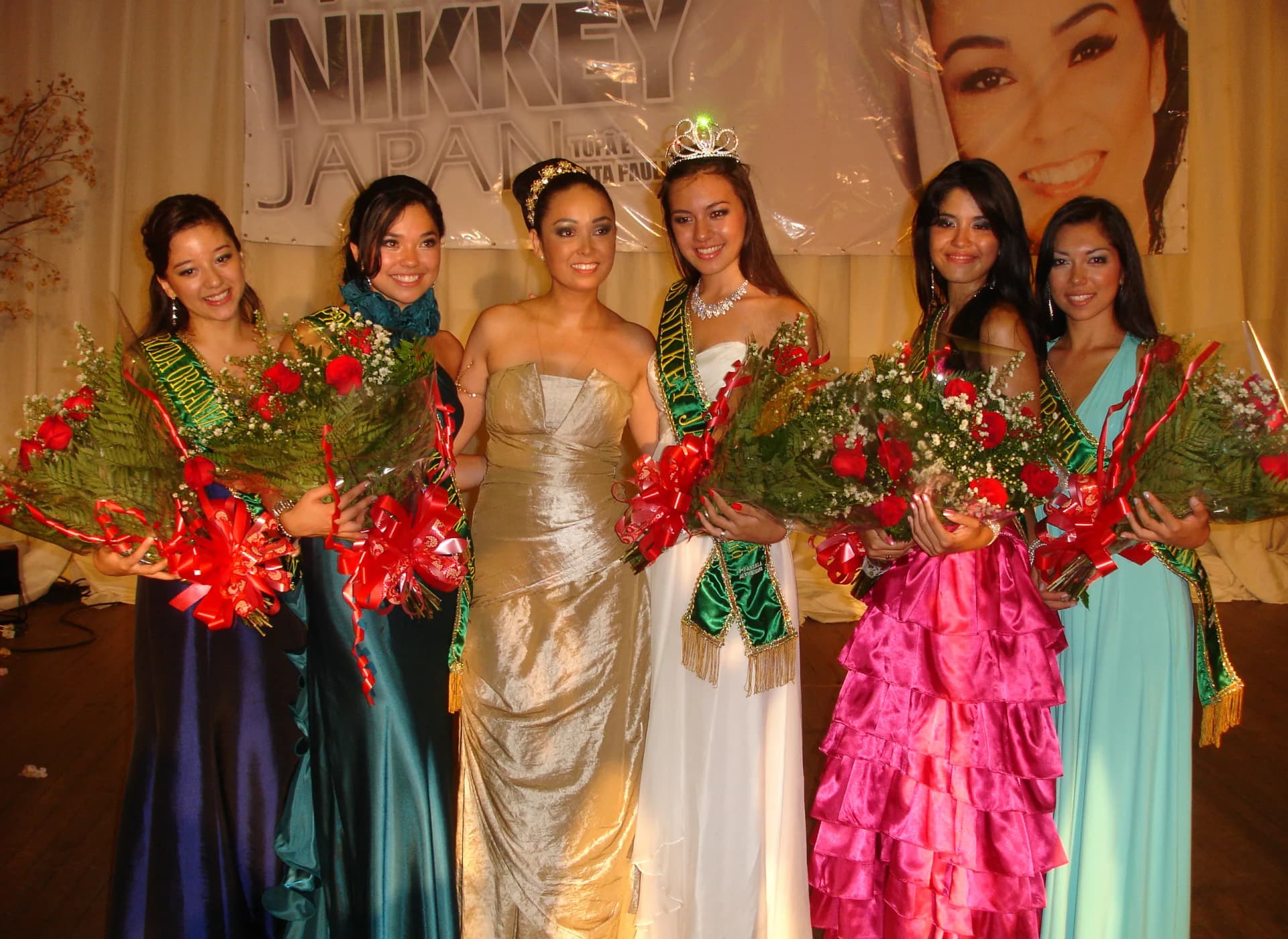
The honorees received the Citizenship and Honor to Merit Trophy for their contribution to the development of the Brazilian community in Japan. The presentation was part of the seventh Miss Nikkey, the Miss Nikkey Centenário 2008, held on April 6 at the Komaki Shimin Kaikan in Komaki, Aichi Prefecture.
Why 2008
There is no exact date that marks the beginning of Brazilian immigration to Japan. For some, the two-decade anniversary would fall in 2010, on the assumption that the dekasegi (migrant worker) phenomenon began in 1990.
Well before 1990, however, many Brazilians were already arriving in Japan to work in factories, and the community settled in several areas. The “boom” in Brazilian immigrants to the country most likely began in 1988. The 20th anniversary of the Brazilian presence therefore came in 2008, the very year of the Centennial.
Meet some of the honorees below, grouped by field.
Pioneers and businesspeople
Mauro Gibo and Samuel Gibo: among the longest-established Brazilians in Japan, where they had arrived 41 years earlier, they were responsible for bringing over the first Brazilian dekasegi. They lived in Mie and remained engaged in community issues.
Yoshio Muranaga: a Japanese man, he lived in Brazil for decades. He returned to Japan at the start of the dekasegi phenomenon and saw that the first Brazilians faced many problems because of a lack of communication and of news from Brazil.
Jorge Imai: of the Imai Group, which since the start of the dekasegi phenomenon had served the community with imported products that shortened the distance between Brazil and Japan and showed Brazil to the Japanese.
Takaharu Hayashi: the owner of a labor-contracting firm, he always sought to offer his employees decent working conditions. He founded a nonprofit organization (NPO), JOC, to promote multicultural relations.
Education
Elinda Date: in Japan for 27 years, she taught Portuguese at Mie University and worked on her family’s tea plantation in Kameyama. She volunteered with UBJ – União Brasil Japão, which promotes integration between Brazilians and Japanese in the prefecture.
Edílson Kinjo: president of New Sab – Sociedade Amigos de Minokamo, an organization running educational projects in Gifu, he coordinated a volunteer tutoring group for Brazilian students at Japanese schools. He sat on the Citizens’ Council of the Consulate General of Brazil in Nagoya.
Emi Tuzita: hired by the city of Kakamigahara, she worked in Japanese schools in Gifu, where she assisted students in the classroom. She was always called on to solve all kinds of problems for Brazilians in the region. A volunteer, she was also a wife, homemaker and mother of three.
Mariluce Tanaka: a longtime resident of Minokamo and a school principal, recognized for the authenticity of her ideas, ideals and educational projects.
Maria Kuabara: in Japan for 22 years, she worked at the Educational Institute of Chinese Medicine, a vocational school in Nagoya that gave many Brazilians a specialized profession.
Health and community services
Guilhermina Suzuki, known as Guida: she had lived in Japan for 16 years, in Toyohashi, and had worked for nine at the Toyohashi International Association, where she helped the city’s Brazilian community every day.
Yumi Virginia Oshima: a translator and interpreter at the Komaki Shimin Byoin hospital, for more than 10 years she had helped Brazilians every day with medical appointments and health problems. She always worked for the integration of Brazilians in the region.
Elza Nakahagi: a resident of Wakayama Prefecture, she had served the community through the Disque Saúde health hotline since 1995 and is the author of a dictionary of medical terms that helps Brazilians with hospital matters.
Diplomacy, faith and the press
Geraldo Affonso Muzzi: Brazil’s consul general in Nagoya, he had been in Japan for only a short time. He was recognized for his commitment to solving the community’s problems and for making the consulate’s services faster and more efficient.
Father Evaristo Higa: he worked with the community in and around Hamamatsu. A staunch advocate of Brazilian causes, he had already received the Order of Rio Branco from the Brazilian government.
José da Costa Sobrinho: a dentist in Brazil, he left the profession to practice meditation in Japan, where he was ordained a Zen Buddhist monk under the name Kohou Mokugen. Little known among Brazilians but well loved by the Japanese, he was recognized for enhancing Brazil’s image in the country.
Edson Xavier: a reporter, he had arrived in Japan 15 years earlier and, since then, had chronicled the daily life of the Brazilian community in stories that informed, guided, exposed wrongdoing and helped the community.
Cuisine and aviation
Cida Sadako Doi da Silva: a cook in Nagoya, much loved in the community, she had lived in Japan for 16 years and had once been a factory worker in Komaki. Through her cooking, she promoted cultural exchange by showing the Japanese the flavors of Brazil.
Wagner Wolfgang Muller: a Brazilian, he had been a captain with the airline JAL for eight years, flying Japanese passengers, and stood out in a profession open to few.
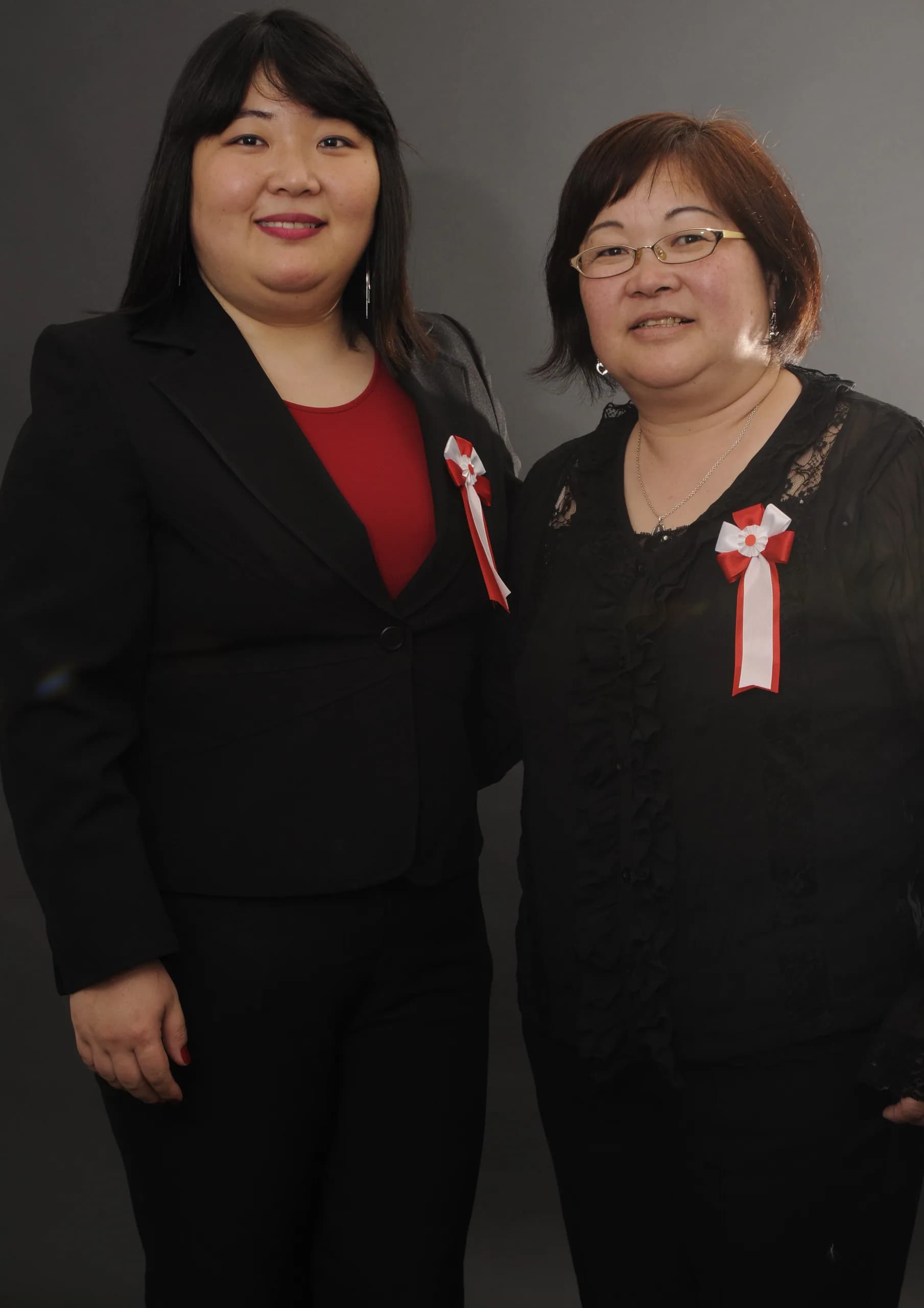
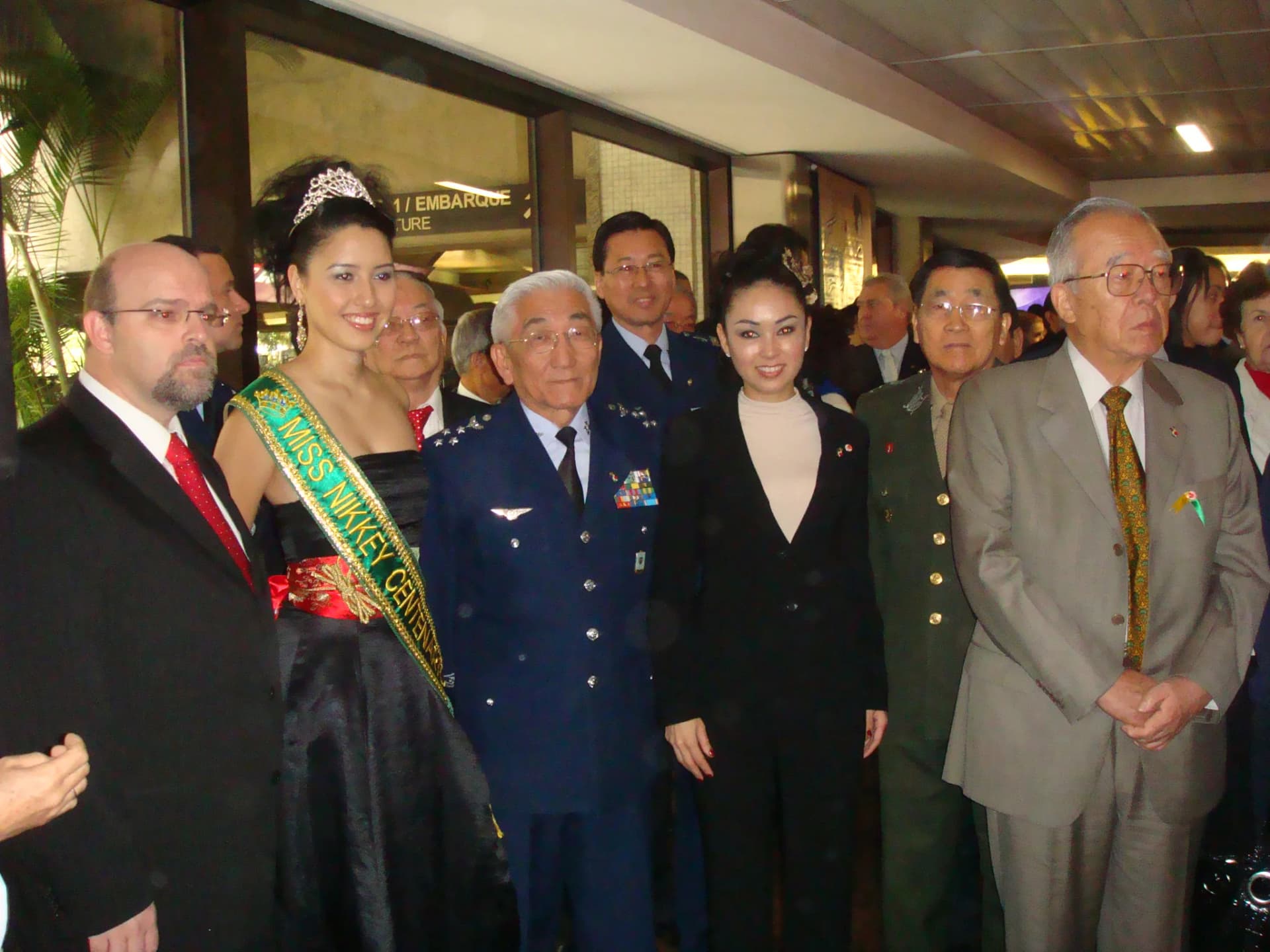
Emi Kanazawa and Daniela Nishikawa Takaharu Hayashi and Daniela Nishikawa Yoshio Muranaga and Daniela Nishikawa Monk José da Costa Sobrinho and Daniela Nishikawa Cida Sadako Doi and Daniela Nishikawa Maria Kuabara and Daniela Nishikawa Ambassador Geraldo Affonso Muzzi and Daniela Nishikawa Virginia Yumi Oshima and Daniela Nishikawa Father Evaristo Higa and Daniela Nishikawa
Edson Xavier Mariluce Tanaka and Daniela Nishikawa Wagner Wolfgang Muller and Daniela Nishikawa Mauro Gibo, Samuel Gibo and Daniela Nishikawa Guilhermina Suzuki (Guida) and Daniela Nishikawa Jorge Imai and Daniela Nishikawa Edílson Kinjo and Daniela Nishikawa Daniela Nishikawa Elinda Date and Daniela Nishikawa
Mauro Gibo and Samuel Gibo Guilhermina Suzuki (Guida) Takaharu Hayashi Jorge Imai Maria Kuabara Monk José da Costa Sobrinho Ambassador Geraldo Affonso Muzzi Father Evaristo Higa The honorees